Design it, then bind it to the match
Most broadcast graphics work ends at a handover: you deliver the look, somebody else wires it to data, and what goes to air is a version of your design you never approved. FUSE removes that step by giving it to you.
How it works
01
Build the motion
Rive for state machines and animation, or straight web code if you prefer it.
02
Bring it into FUSE
Upload the file and lay the graphic out against a real broadcast frame.
03
Bind the live data
Attach scores, clocks, names and badges to the fields they come from.
04
Expose the controls
Decide what an operator can change on air, and what they cannot touch.
FUSE
Layout without a build step
Position elements against the frame they will actually go to air in, and see it immediately. No compile, no deploy, no waiting on an engineer to see whether the lower third sits where you meant it to.
The design work and the broadcast behaviour end up in the same place, which is the only arrangement where the person who cares about the look controls it.
Control variables
You decide what the operator can break
Expose exactly the controls a production needs (a colour, a toggle, a state) and leave everything else fixed. The operator gets flexibility where it helps and none where it hurts.
This is how a package survives a season. The things that should vary do, and the things that should not, cannot.
Logic
Write rules, not a hundred variants
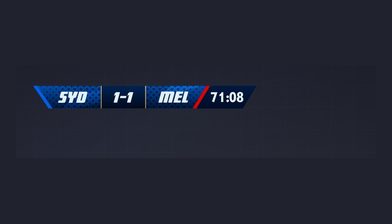
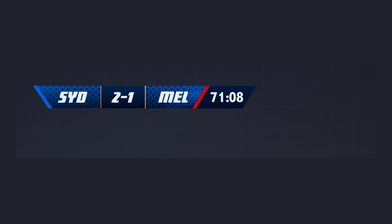
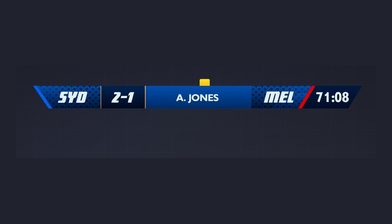
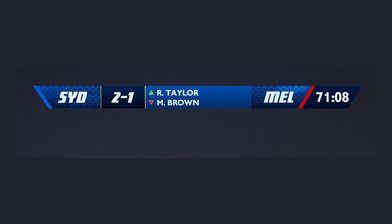
Expressions let a graphic react to the match: hide a field when it is empty, switch a layout when a name is too long, drive a state machine off the score. You write the rule once rather than delivering every permutation as its own asset.
If you already work in Rive, this is the part that will feel familiar. The state machine you built is the state machine that runs.
On air
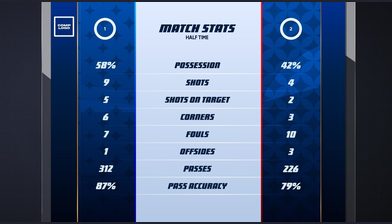
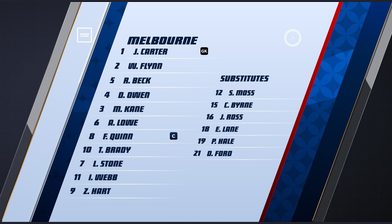
Client packages running on LIGR, rendered from their production files with generic clubs.
In production
Custom broadcast packages
Twenty-seven graphics in DAZN's National League 2026–27 package. Thirty-six for Football Australia's Australian Championship. Eighteen in the WTA Tour package. All built as themes and all driven from the same Control Room, which is the point: the design is the deliverable, not a design plus a separate integration project.
See the custom packages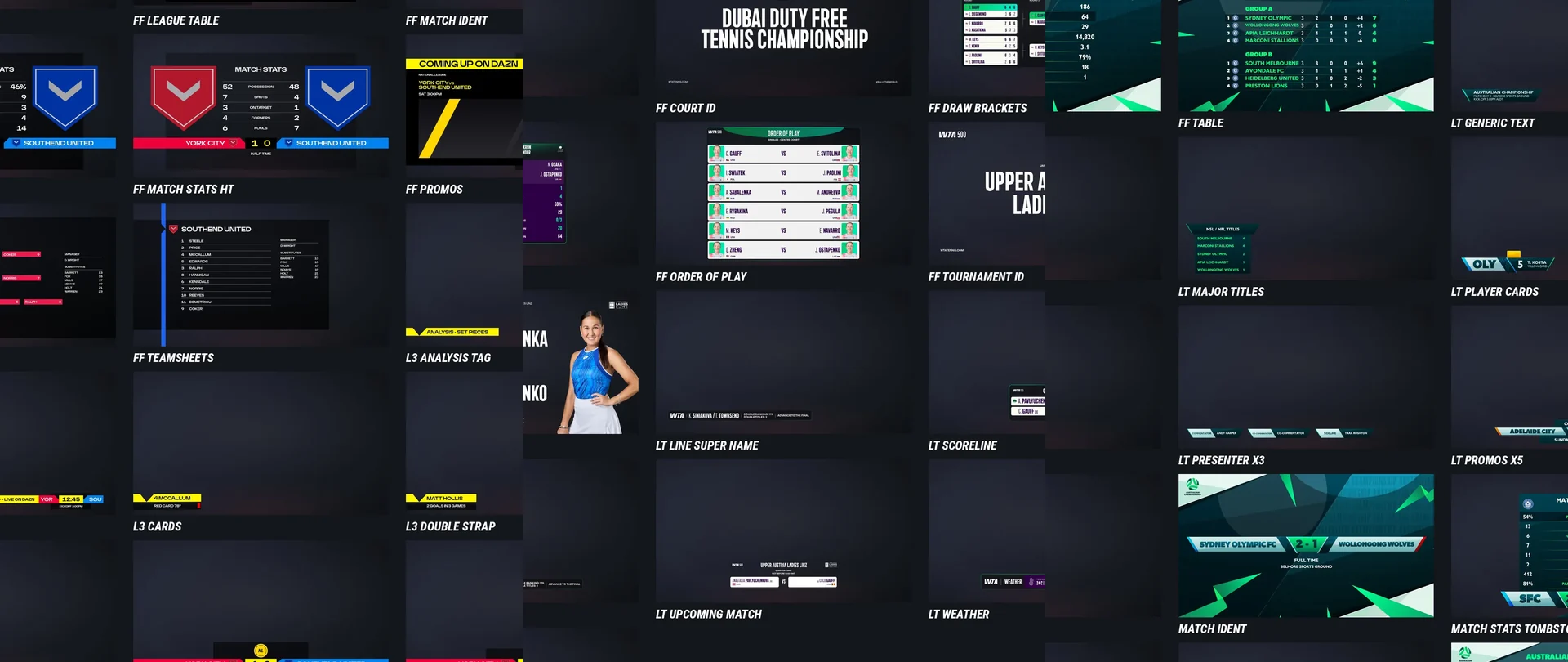
Questions
Rive is the primary one for motion and interactivity. You can also build graphics in plain web technology: HTML, CSS, JavaScript, React, Three.js, WebGL. Designers working in Figma or After Effects can export assets and add the interactivity in FUSE.
Put your next match on air
Tell us about your competition and we’ll show you how it looks with LIGR.